
Chat med Ava - din KI-forretningskonsulent

Hei, jeg er Ava, din KI-guide for å superlade virksomheten din!
Enten du allerede driver en virksomhet eller drømmer om å starte en, er jeg her for å gjøre visjonen din til virkelighet ved hjelp av KI-drevne frilansere. Del forretningsmålene dine med meg, og sammen lager vi et prosjekt som våre talentfulle frilansere kan by på. La oss gjøre visjonen din til virkelighet!
Jeg har en virksomhet
Jeg starter en bedrift
Noe gikk galt mens du sendte samtalen til e-posten din. Prøv igjen senere.
Du kan bare lagre samtalen en gang i timen. Prøv igjen senere.
Samtalen din er for kort. Fortsett å chatte med Ava for å aktivere lagring.

Lei
Rocket Engine Scientists
for enhver jobb
Millioner av mennesker bruker Freelancer.com for å gjøre ideene sine til virkelighet.
Klarert av ledende merkevarer og oppstartsbedrifter


Kunder vurderer våre Rocket Engine Scientists
4.51 ut av 5
fra 491 anmeldelser
Hvordan leie en god frilans Rocket Engine Scientist
A Rocket Engine is a reaction engine found in spacecraft and in rocket vehicles. It is capable of carrying all the necessary elements for functioning of an aircraft like fuel and oxidizer. It operates efficiently in the atmosphere as well as in a vacuum. Rocket-Engine experts are typically aerospace engineers who specialize in designing and manufacturing aircrafts.
A Rocket engine expert has the responsibility of certifying the total assembly of the engine before the hot fire test and its installation within the Electron launch spacecraft. They have to work in coordination with other engineering professionals to work and improve the operations, design and manufacturing of the engine, so that the electron launch vehicle achieves its performance. The minimum requirements of a Rocket engine expert are:
To hold a degree of an aircraft maintenance engineer or an equivalent qualification
Experience in aircraft maintenance
Industry experience of over 5 years
Qualification of a Fitter or Turner
Should possess a high level of attention to details
Excellent communication skills and the ability to work in coordination with engineering professionals.
Should have the experience in the fabricating and machining of aircraft parts
Experienced enough to create assemblies including maintenance procedures
Should have the ability to keep to deadlines
A Rocket Engine expert can also be termed as an Aircraft technician or Mechanic. His work involves diagnosis, adjustment and overhauling aircraft engines and assemblies like pneumatic and hydraulic system. He should have worked in the propulsion area both in the academic as well as industrial settings for at least 10 years. Expertise in chemical propulsion, ion propulsion and solid propellant propulsions is a must.
The extensive experience and knowledge of an expert should include regenerative, thermal and mechanical performance. The focus should mainly be on injector optimization that will include injector patterns and layouts. Co efficiency and mechanical properties are essential elements that an expert should possess. Working in close coordination with other engineers, bringing a change in the design of the engine and at the same time improving reliability, flight worthiness and performance are the mandatory qualities of a Rocket Engine expert.
When you are hiring a Rocket Engine expert you must look for the following qualifications
Does he /she hold an aircraft engineering degree?
Does he/she have enough work experience in aircraft maintenance and creating assembly that also include maintenance procedures?
How proficient are his/her communication skills while working with other professionals?
Is he/she qualified to work in the propulsion area?
If you’re looking for a solution for your rocket engine needs or if you are looking to trial a freelancer to see if they provide the levels of expertise you are looking for, using a platform such as Freelancer.com is a fantastic option.
Simply log onto the Freelancer.com website and search through a bank of talented freelancers who are willing and able to provide their services to you for your project.

Freelancer Enterprise
Bedriftsbudsjett? Få mer gjort for mindre
Bruk arbeidsstyrken på 50 millioner for å hjelpe virksomheten din med å oppnå mer.

Freelancer API
50 millioner profesjonelle på forespørsel
Hvorfor leie folk når du bare kan integrere vår dyktige skyarbeidsstyrke i stedet?
Hvordan det å leie Rocket Engine Scientist fungerer

1. Legg ut en jobb

2. Velg frilansere

3. Loggfør fremgang

4. Betal trygt
Så hva venter du på?
Legg ut et prosjekt i dag og få bud fra dyktige frilansere
Fremhevet arbeid fra våre frilansere
Få litt inspirasjon fra Rocket Engine-prosjekter

Oppdag mer
Nettsidedesign.
$540 USD på 7 dager.
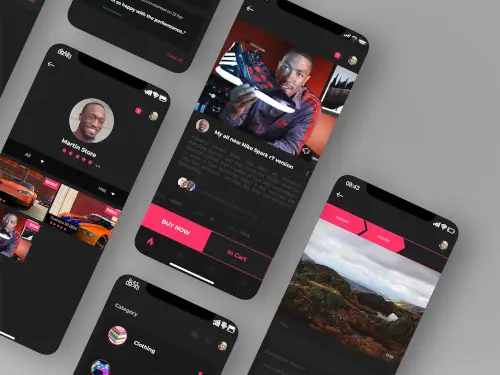
Oppdag mer
App-design.
$100 USD på 1 dag.

Oppdag mer
Nettside.
$430 USD på 1 dag.

Oppdag mer
Nettsidedesign.
$140 USD på 13 dager.

Oppdag mer
App-design.
$200 USD på 19 dager.

Oppdag mer
Nettside.
$150 USD på 13 dager.
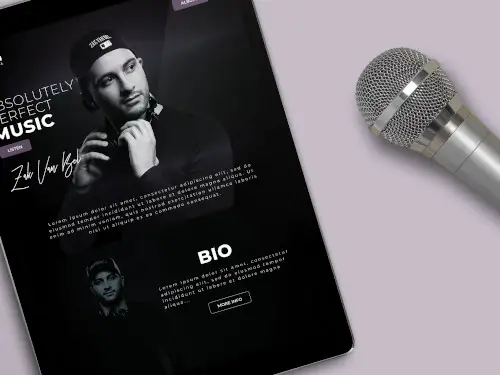
Oppdag mer
Nettside.
$240 USD på 1 dag.

Oppdag mer
Nettside.
$100 USD på 1 dag.
Som vist på


Verdens største markedsplass
Millioner av brukere, fra små bedrifter til store bedrifter, gründere til nyetableringer, bruker Freelancer for å gjøre ideene sine til virkelighet.
72.7M
72.7M
Registrerte brukere
23.6M
23.6M
Totalt antall jobber lagt ut
Leter du etter frilansere til andre typer arbeid?
Takk! Vi har sendt deg en lenke for at du skal kunne kreve din gratis kreditt.
Noe gikk galt. Vær så snill, prøv på nytt.



Kopiering til utklippstavlen mislyktes. Prøv igjen etter å ha justert tillatelsene dine.
Kopiert til utklippstavlen.
Forhåndsvisning innlasting
Tillatelse gitt for geolokalisering.
Påloggingsøkten din er utløpt og du har blitt logget ut. Logg på igjen.